


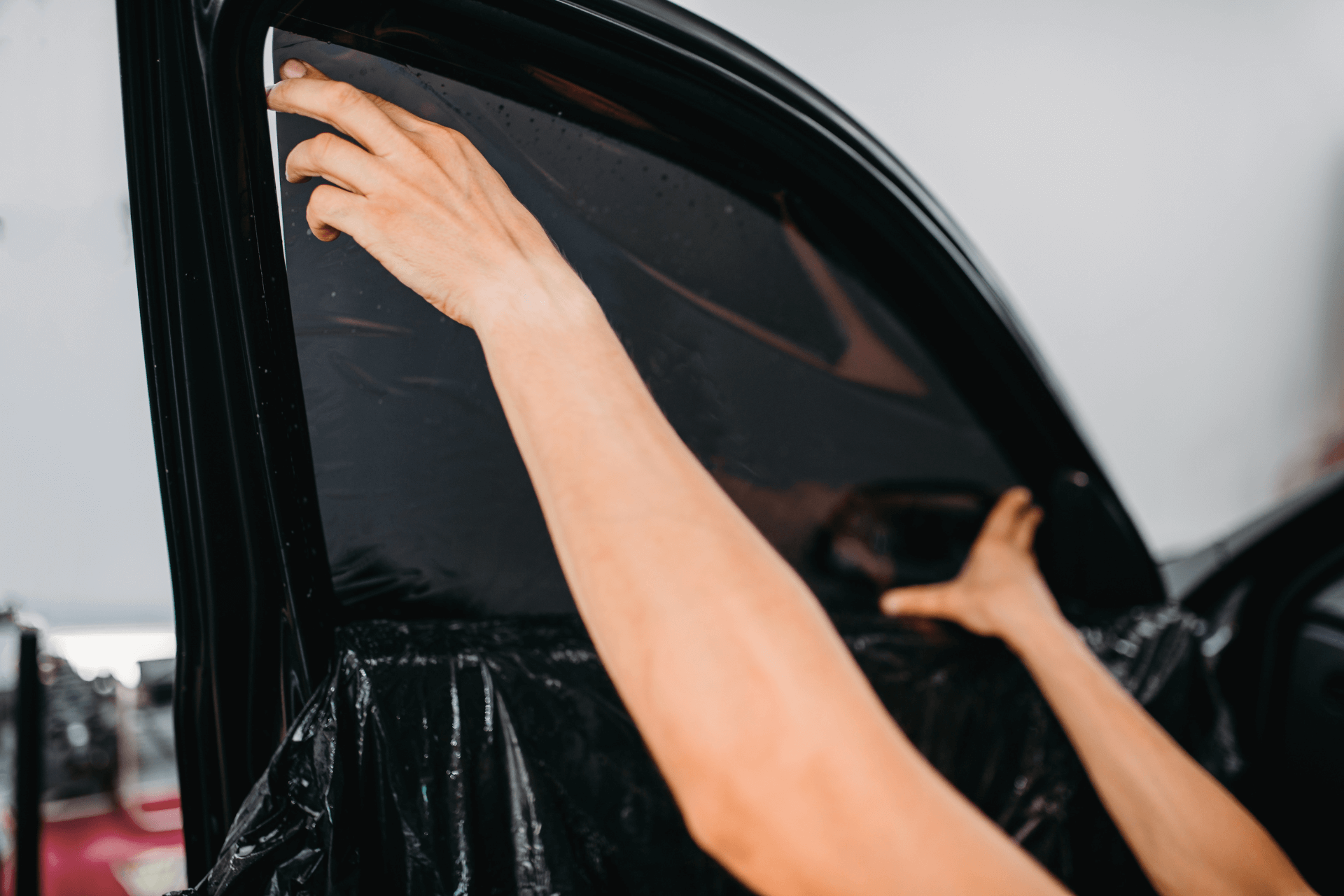
How Window Tint Protects Your Interior from UV Damage, Fading, and Cracking
Car window tinting delivers a range of standout benefits, from enhanced privacy and added security to the undeniably sleek ‘cool’ look. However, the most notable advantage often gets overlooked: superior UV protection. Are tinted car windows UV protected? The answer is yes!
High-quality window tint film shields your vehicle’s interior from harmful ultraviolet rays, preventing fading, cracking, and long-term damage. Keep reading to learn how auto window tinting delivers protection and how you can enjoy these benefits for yourself.
What Is Window Tint Film?
Window tint film, also known as window film or window tint, is a thin, multilayer laminate applied to vehicles, homes, and glass to reduce UV radiation, glare, and solar heat.
Multiple window film materials exist, including ceramic, carbon, and clear/light-tint films. These films are available at differing price points and vary in efficacy.
- Ceramic films: Undoubtedly the most popular, as they provide the highest heat rejection and deliver up to 99% UV protection.
- Carbon films: Popular for UV protection and infrared heat reduction, while also offering a non-reflective matte finish.
- Clear/light tint: Some people prefer the more subtle finish of clear/light tint, which can block a high percentage of UV rays without darkening the windows.
What Are UV Rays and How Do They Cause Damage?
UV rays, also referred to as ultraviolet radiation, are electromagnetic energy from the sun. While invisible, these rays break down the molecular bonds in materials. You may be surprised by how much damage they can cause to the average unprotected vehicle.
UV rays can oxidize and fade paint, turn plastic and rubber brittle, ruin fabric and leather interiors, and crack dashboards. Heat also speeds up this process, resulting in severe degradation over time.
How Does Window Tint Film Prevent Damage from UV Rays?
A UV-blocking window tint is one of many effective ways to reduce UV damage to a vehicle, alongside investing in paint protection (e.g., ceramic coatings) and sun shades, and parking in shaded or covered areas.
Quality car window tinting films are formulated with UV-absorbing compounds, such as benzotriazoles, and paired with reflective materials, such as ceramic particles. As a result, the window tint acts as a shield, scattering, absorbing, or reflecting UV radiation before it passes through the glass.
Most auto window tinting films are also multilayered. The outer layers reflect the light, while the inner layers absorb and disperse the harmful UV rays.
Fading Prevention through UV Ray Blocking
Fading is one of the most frustrating consequences of leaving a vehicle unprotected. Before long, you start to notice the color changing on your seats, upholstery, and dashboards. Over time, UV rays also cause some paint colors to fade. Window tint acts as a shield against UV-A and UV-B rays, reducing the risk of that frustrating and costly fading.
Cracking Prevention through Reduced Heat Buildup
While a car dashboard’s main purpose is to display critical safety, performance, and operational information, appearance still matters. After all, no one wants a cracked, warped, or worn dashboard! Unfortunately, prolonged exposure to high heat can cause exactly that. As your vehicle’s interior temperature rises, dashboard materials expand and contract, leading to cracks, warping, and permanent damage.
Before that happens, invest in car window tinting to reduce heat buildup inside your vehicle. By keeping interior temperatures lower, the window tint reduces stress on the dashboard materials, helping preserve its appearance over time.
Material Preservation
Most vehicle manufacturers use the most robust materials in car cabins to withstand wear and tear. Fabrics and leather are both great choices. However, while they’ll stand up to wear and tear, they’re no match for UV rays. Leather can become brittle, and fabrics can lose their original color and texture.
That’s where auto window tinting comes in. Window tint film acts as a barrier against sun damage, giving your vehicle’s materials a fighting chance.
Other Car Window Tinting Benefits
You can expect more than protection against fading, cracking, and UV damage from window film installation. Look forward to these other benefits:
- Rejects solar heat to keep your interior cooler, reducing the need for air conditioning to enhance comfort and improve fuel efficiency
- Minimized glare to reduce eye strain and improve visibility
- Shatter resistance, with the window tint helping to hold the glass together to reduce the risk of flying glass shards
- Privacy to prevent passersby from looking inside your vehicle, reducing the likelihood of theft
- A sleek, customized look to enhance your vehicle’s appeal and possibly even its resale value
How to Tint Your Car Windows
Despite tint film being available for everyday car owners to buy and install themselves, professional installation is recommended. This is because not all tint films are legal in all states, and a professional window tint installer will ensure yours are.
Follow these steps to tint your car windows:
1. Contact a trusted window tint installation business in your area.
2. Select the right tint film for your needs and preferences.
3. Let the pros take the lead and prepare your windows, cut and shape the film, and apply the tint. Wait until it’s dried and cured.
4. Drive your newly-tinted vehicle!
Choosing a professional to install window tint film ensures:
- Precision and experience
- High-quality materials
- Legal compliance
- Time and cost savings
- Peace of mind and a warranty
Schedule Auto Window Tinting at Water Werkz in Dallas, TX
Do you want to enhance your vehicle’s comfort and privacy? Are you eager to prevent UV damage, fading, and cracking? It’s time to talk to the team at Water Werkz in Dallas, Texas. We deliver a professional car window tinting service that protects your car interior, enhances your driving comfort, and adds much-needed privacy and security. Book your vehicle in today.